

Minimizing Waste Through Design Practices and Product Lifecycle Planning
In today's world, where environmental sustainability is a growing concern, businesses and designers are increasingly focusing on minimizing waste through thoughtful design practices and product lifecycle planning. By incorporating these principles into their processes, companies can not only reduce their environmental impact but also create more efficient and cost-effective products. Let's explore how design practices and product lifecycle planning can help in minimizing waste.
Design Practices for Waste Minimization
Designing products with sustainability in mind is crucial for minimizing waste. Here are some key design practices that can help achieve this goal:
- Material Selection: Choosing environmentally friendly materials that are recyclable or biodegradable can significantly reduce waste generation.
- Design for Disassembly: Creating products that are easy to disassemble encourages repair, reuse, and recycling, extending the product's lifespan.
- Optimized Packaging: Minimizing packaging materials and using eco-friendly alternatives can reduce waste throughout the product's lifecycle.
- Lean Manufacturing: Implementing lean manufacturing principles can streamline production processes, reduce excess inventory, and minimize waste generation.
Product Lifecycle Planning for Waste Reduction
Product lifecycle planning involves considering the environmental impact of a product at every stage of its life, from raw material extraction to end-of-life disposal. Here are some strategies for planning a sustainable product lifecycle:
- Life Cycle Assessment (LCA): Conducting LCAs helps identify areas where waste can be minimized, such as reducing energy consumption, emissions, and resource depletion.
- Extended Producer Responsibility (EPR): Implementing EPR programs holds manufacturers accountable for the disposal and recycling of their products, encouraging them to design for recyclability.
- Circular Economy Practices: Embracing circular economy principles, such as remanufacturing and refurbishing, can extend product lifecycles and reduce waste generation.
By integrating these design practices and product lifecycle planning strategies, businesses can move towards a more sustainable and waste-free future. Minimizing waste not only benefits the environment but also contributes to long-term business success and brand reputation.
Let's work together to design products that minimize waste and maximize sustainability!
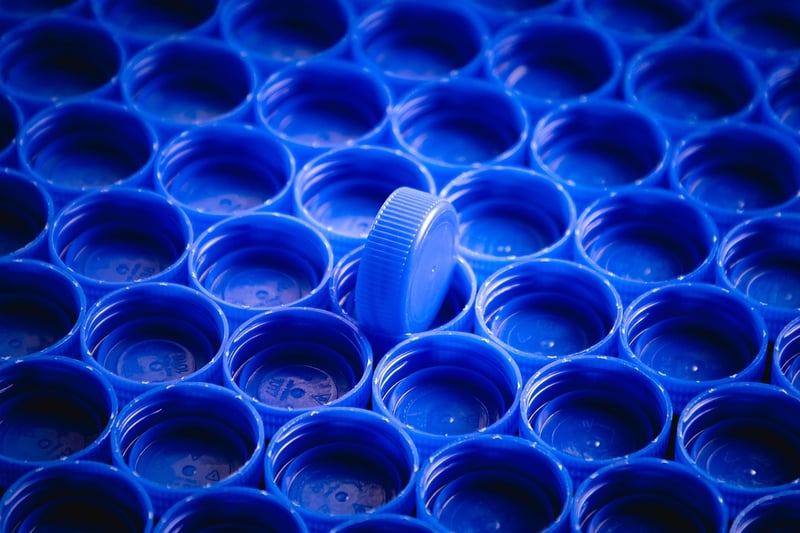
Image Source: Pixabay