

Sustainable Materials for Eco-Friendly Design
Designing with sustainability in mind is a growing trend in the world of architecture and interior design. Choosing eco-friendly materials not only helps reduce the environmental impact but also creates healthier living spaces. Here are some sustainable materials you can incorporate into your designs:
1. Bamboo
Bamboo is a fast-growing grass that is sustainable and renewable. It can be used for flooring, furniture, and even textiles. Bamboo products are durable and have a unique aesthetic appeal.

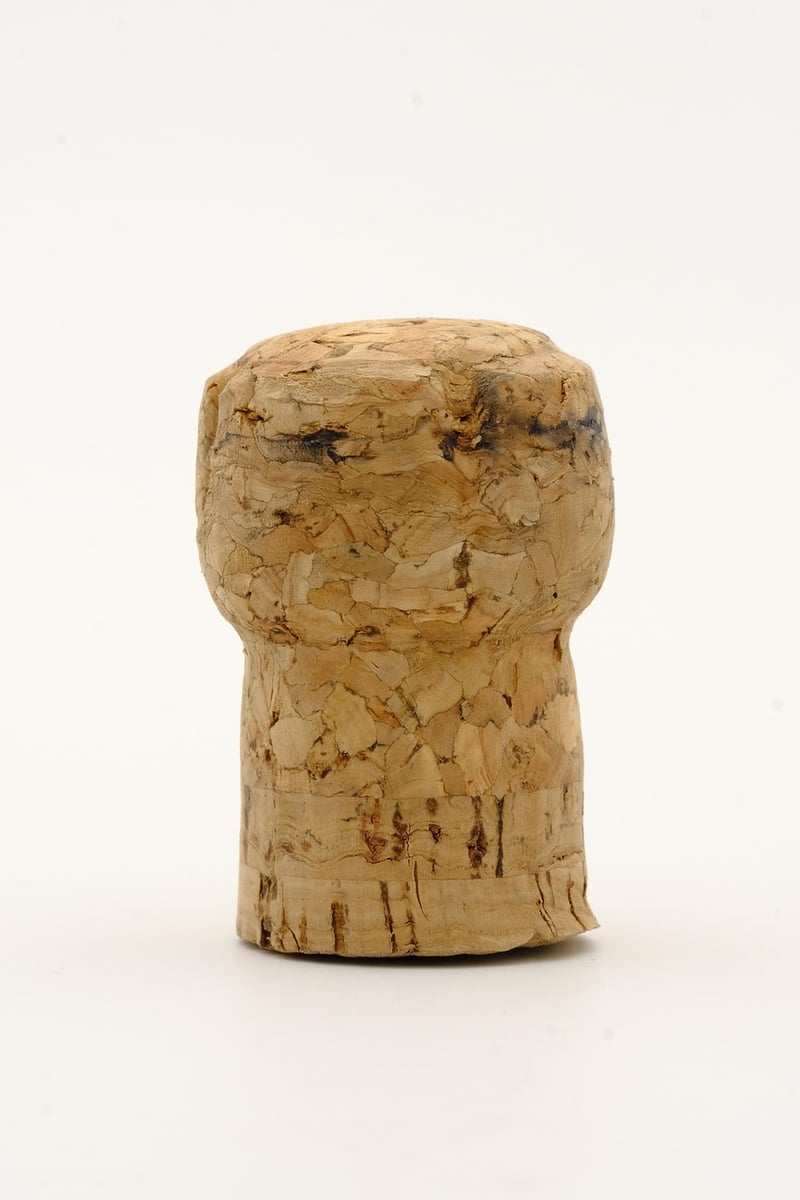
2. Cork
Cork is harvested from the bark of cork oak trees without harming the tree itself. It is commonly used for flooring, wall tiles, and as an insulation material. Cork is a great choice for its thermal and acoustic properties.
3. Reclaimed Wood
Using reclaimed wood from old buildings, pallets, or driftwood not only adds character to your design but also helps reduce the demand for new timber. Reclaimed wood can be used for flooring, furniture, and decorative accents.

Organic Choices for a Healthier Home
Aside from sustainable materials, choosing organic options for furnishings and decor can further enhance the eco-friendliness of your design. Organic materials are free from harmful chemicals and pesticides, making them safer for both the environment and your health.
1. Organic Cotton
Organic cotton is grown without synthetic pesticides and fertilizers, making it a more sustainable and eco-friendly choice compared to conventional cotton. It can be used for bedding, upholstery, and curtains.

2. Wool
Wool is a natural and renewable fiber that is biodegradable and recyclable. It is commonly used for carpets, rugs, and upholstery. Wool is known for its durability and natural insulation properties.

By incorporating sustainable materials and organic choices into your design projects, you can create spaces that are not only aesthetically pleasing but also environmentally responsible.